



Nutrition has become incredibly complicated over the last decade. Depending on who you listen to, carbohydrates are either destroying your health or they’re the foundation of athletic performance. One expert tells you to avoid fruit because of sugar, while another tells you to eat more of it. Add in social media influencers, documentaries, and endless diet trends, and it’s easy to understand why so many people feel confused about what healthy eating actually looks like.
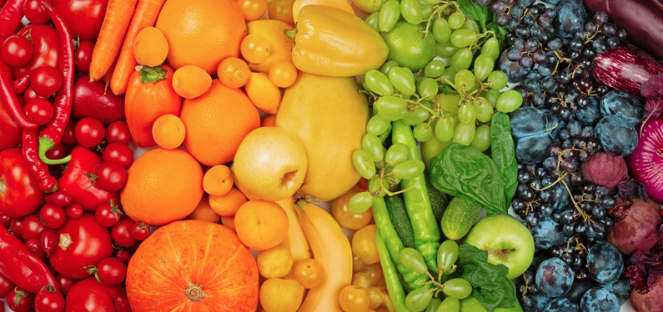
One of the reasons I like the concept of “eating the rainbow” is because it cuts through much of that noise. Instead of focusing on what you need to eliminate, it encourages you to focus on what you can add. It’s a simple reminder to include a wide variety of colorful fruits and vegetables in your diet, which naturally increases the diversity of nutrients your body receives.
When you think about it, nature does a pretty good job of showing us which foods contain different nutritional benefits. The deep reds found in tomatoes and red peppers contain compounds associated with heart health. Orange foods like carrots and sweet potatoes provide nutrients that support vision and immune function. Dark leafy greens offer fiber, folate, and a variety of vitamins that support overall health. Blueberries, blackberries, and other dark-colored fruits contain antioxidants that help combat oxidative stress and inflammation.
The good news is that you don’t need to memorize any of this. You don’t need a nutrition degree to build a healthy plate. In most cases, simply making an effort to include a variety of colors throughout your day is enough to move you in the right direction. A salad with mixed vegetables, a bowl of berries with breakfast, or roasted vegetables with dinner can all contribute to better nutrition without requiring a complete overhaul of your lifestyle.
One thing I’ve noticed while coaching clients is that many people make nutrition harder than it needs to be. They spend so much time looking for the perfect meal plan that they overlook the basic habits that create long-term success. Most of the healthiest people I know aren’t obsessing over every gram of food they eat. They consistently prioritize whole foods, fruits, vegetables, quality protein sources, and reasonable portions. Those habits may not be exciting, but they work.
The conversation around organic produce often comes up whenever we discuss increasing fruit and vegetable intake. My advice is usually straightforward: do the best you can with the budget you have. If purchasing organic fruits and vegetables is realistic for your family, that’s great. If it isn’t, don’t let that become an excuse to avoid produce altogether. I would much rather see someone regularly eating conventional fruits and vegetables than avoiding them because they think organic is the only acceptable option.
For those who do want to be more selective, resources like the Dirty Dozen and Clean Fifteen can help prioritize where spending extra money may provide the most value. I’ve found this approach to be much more practical than trying to make every single item in your grocery cart organic.
One thing I appreciate about Dr. Michael Greger’s Daily Dozen approach is that it shifts the conversation away from restriction and toward addition. Instead of constantly focusing on foods you shouldn’t eat, it encourages you to consume more beans, greens, berries, vegetables, and other nutrient-dense foods. That’s a mindset that tends to be more sustainable because it feels less like a diet and more like a long-term lifestyle.
At the end of the day, nutrition doesn’t need to be as complicated as the internet makes it seem. If you focus on eating more whole foods, increasing your fruit and vegetable intake, incorporating a variety of colors throughout the week, and staying consistent with those habits, you’ll be ahead of most people. The goal isn’t perfection. The goal is creating a way of eating that supports your health today while still being realistic enough to maintain for years to come.